In Susya
Shalom Center
has
(with the approval of Susya Rabbi, HaRav E. Altshuler
who sits in the Va'ad Beit Midrash) a
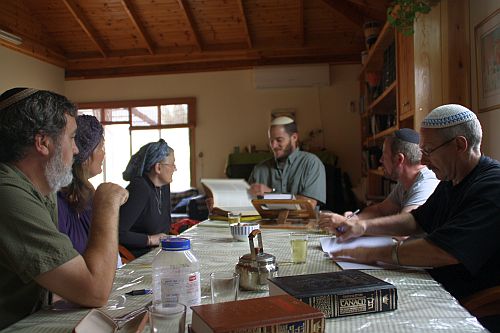
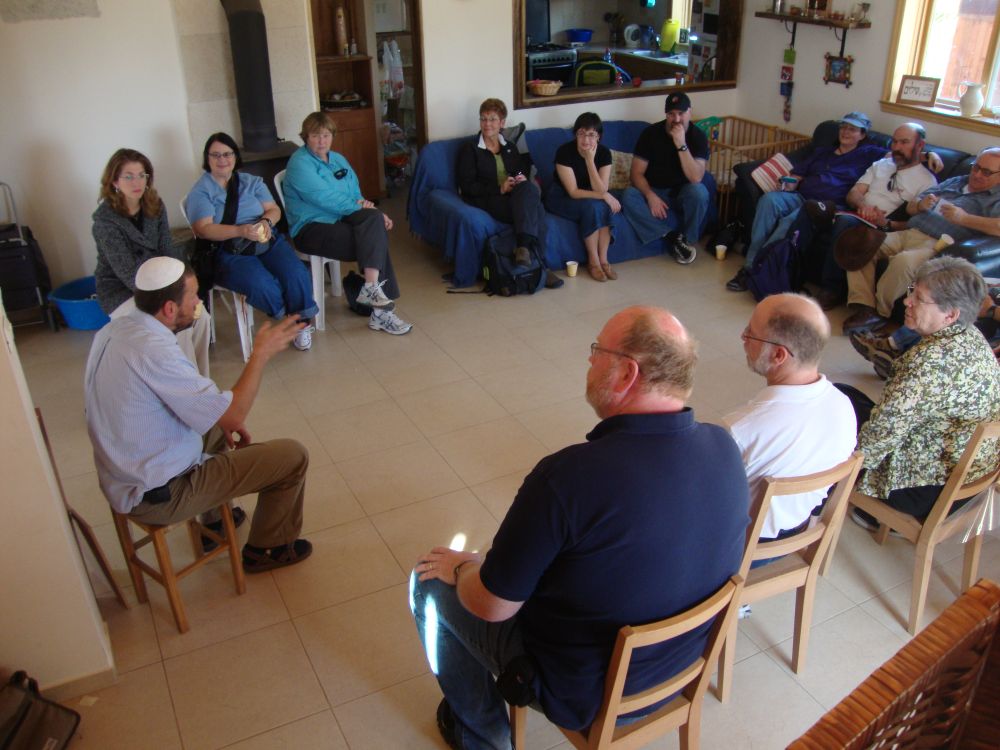
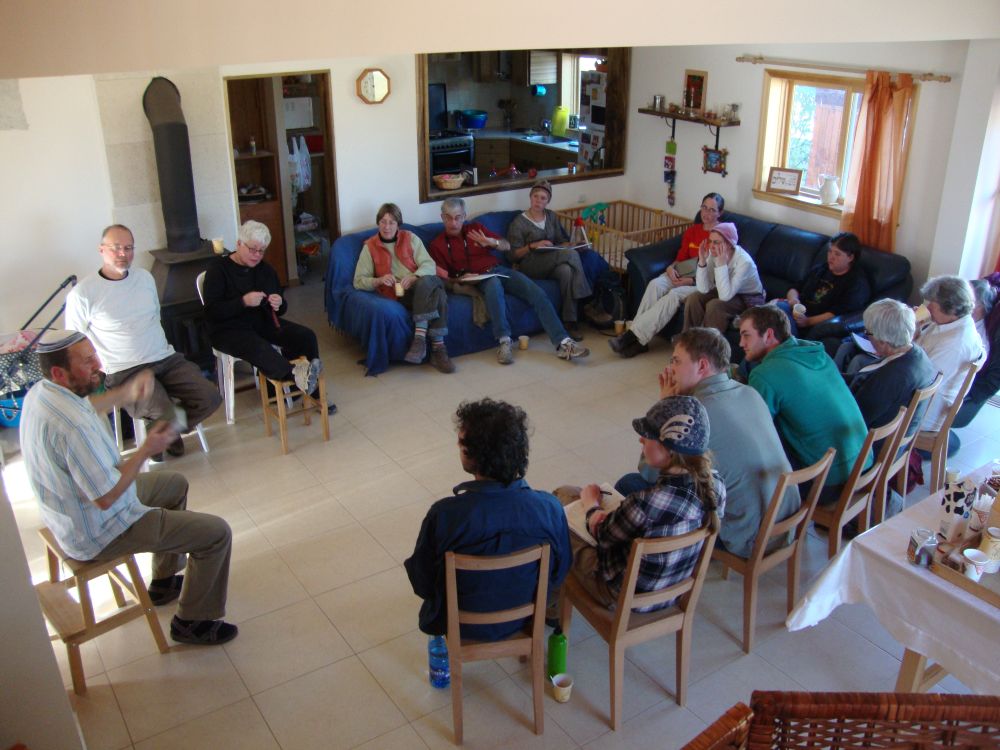
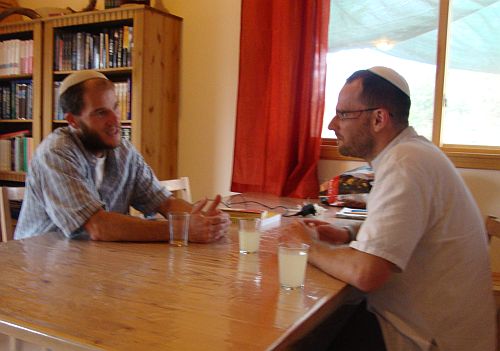
Beit Midrash (learning center), which is open for non-Jews who want to study
(about) Judaism or want to study about the actual situation in Eretz Israel
based at the Tanach; Noachide, Messianic, Hebrew-Roots Christian, Evangelical Christian,
Non-denominational, persons who through giyur (conversion) want to become
Jewish) who want to study about Judaism or who want to study about the actual
situation in Eretz Israel based at the Tanach. For
each group we offer separate programs. We offer programs from a single
lesson till a 3-month program. We have a special introduction course Judaism of
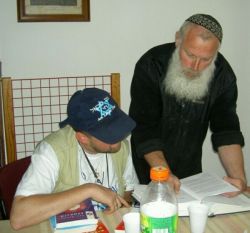
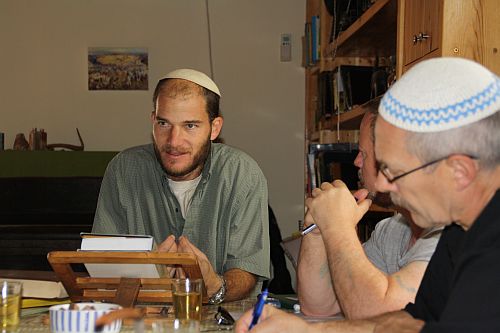
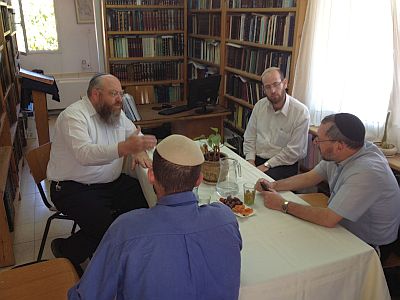
one and a half week. Lessons will be provided Rabbis and teachers from the
Orthodox Jewish community of Susya. Lessons are in English, Dutch and Ivriet
language. The aim of our courses is strictly educational.
Our aim is to teach you what you want to be taught. We do not encourage people
to convert to Judaism.
Our device for the studies Judaism at Shalom Center is 'Learning
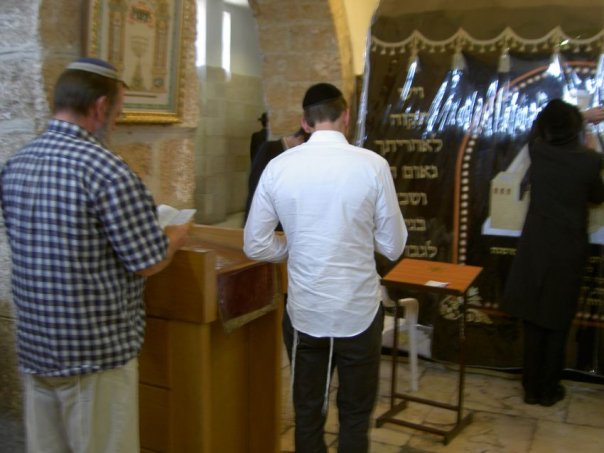
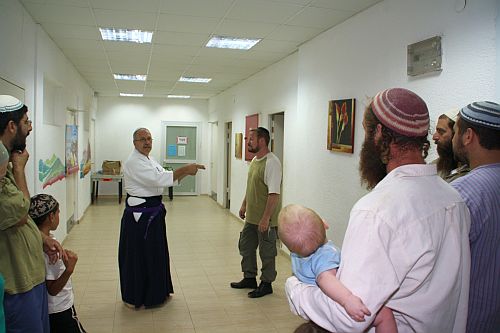
through living life'. Students learn the Orthodox Jewish life by study and practicing the
Orthodox Jewish life in a Jewish community; from synagogue till kitchen. We take them with us to the synagoge and teach them while we prepare our foods in the kitchen
and while we
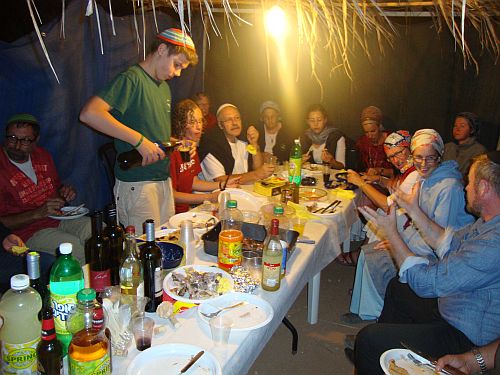
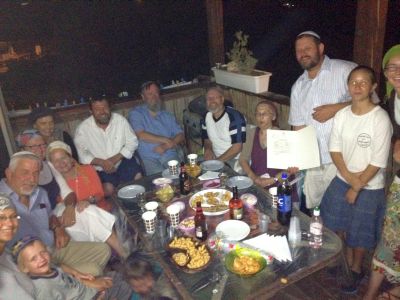
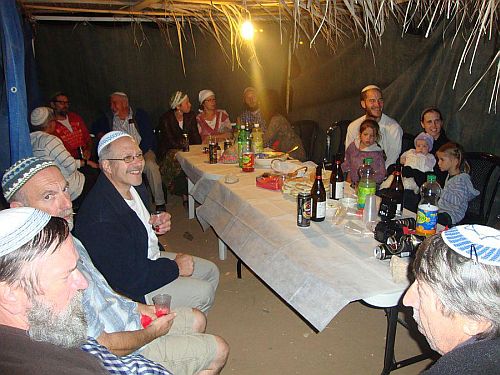
celebrate the festivals with the family and in the community etc. etc.. Students who
we prepare for giyur, we also prepare them to live in Eretz Israel as they live within the
community. Part of the time can be used for volunteer work to contribute to
the community. Students who prepare themselves for a giyur follow a
study program according to the
standards given by the
National
Giyur Beit Din.
Actual historical locations sometimes are used
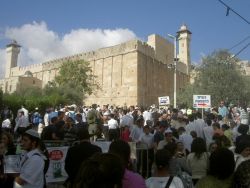
for study 'on the spot' or just to visit. Locations as Hevron Jerusalem and Judean hills. It is
advisable to come together with a studypartner (gevruta) as parts of the
program self-study with gevruta is required. Trips to Jerusalem (Har HaBait (Tempel
mount), Machon HaMikdash, Ier
David (City of David), Hevron (Machpela), Shiloh and Mount Kabir (near Elon Moreh where Avraham arrived in Eretz Israel), Har Bracha
(Josephs Tomb), Davids route (Beth Shemesh, Maon, Karmel, Judea desert, Ein
Gedi), and several
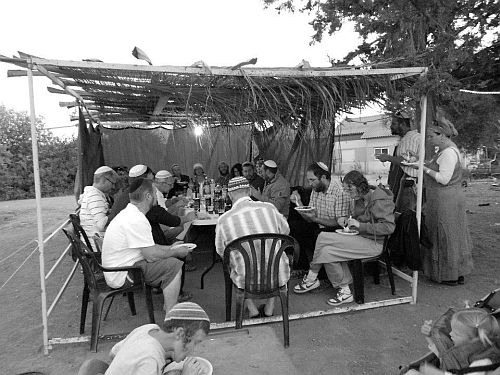
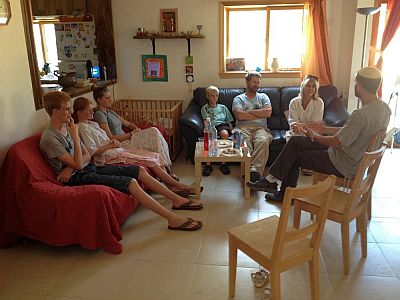
other places can be a part of the study. At Shabbats and Feasts students will be with
Orthodox-Jewish families in the community and in the synagogue.
Further we have cooperation with
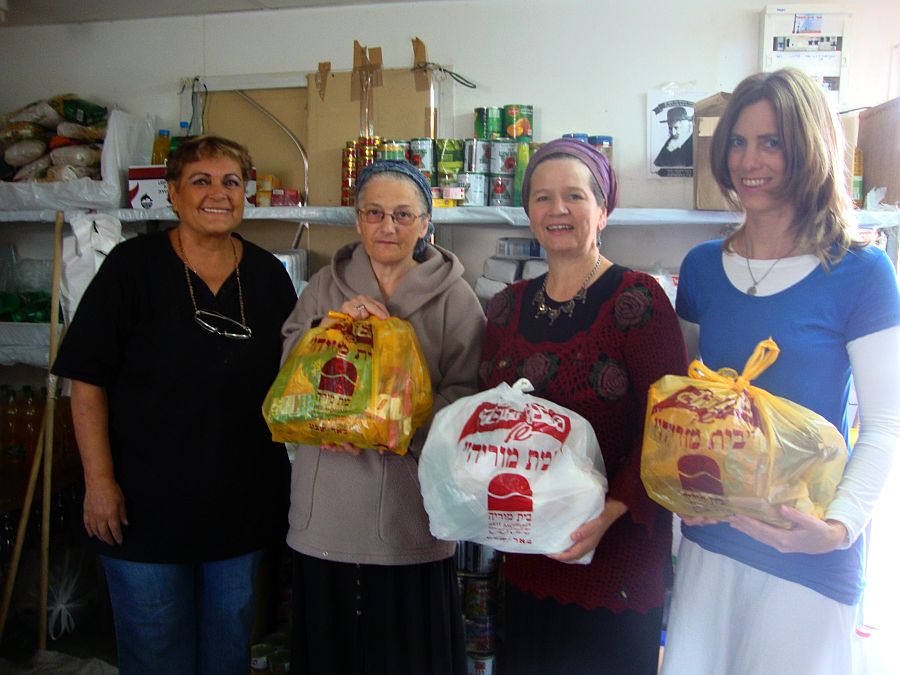
Beit Moriah for studies Judaism and Brit Olam (ברית עולם)
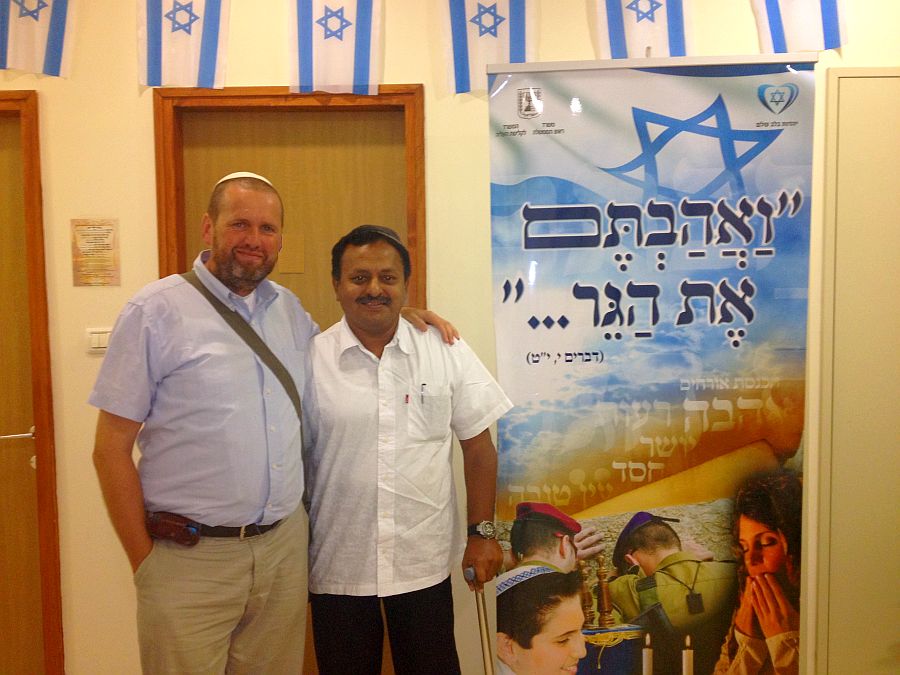
Institute of Rav Uri Sherky for Noachic studies.
For Geerim students we first search for the
best suitable giyur program for each. Not for every student Susya is the
optimal or possible place to finish the giyurstudy. Each person and situation
is different. Because of that we have sent students to Machon Meir, Orthodox
Union, B'erot Bat Ayin,
Beit Moriah or institutes abroad as it better met
the needs and possibilities of the these students.
We already welcomed students from the
Netherlands, Belgium, England, Scotland, Germany, France, Swiss, Austria, Malta,
Servia, Slovenia, U.S.A., Canada, Honduras, Ecuador, Australia, South Africa,
China, South Korea, Japan, Philippines and Indonesia who came
for a lesson or a program here at the Beth Midrash in Susya. Amongst
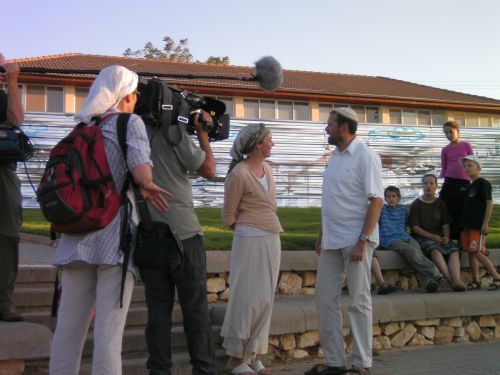
them Christians and journalists who came to study about the actual situation
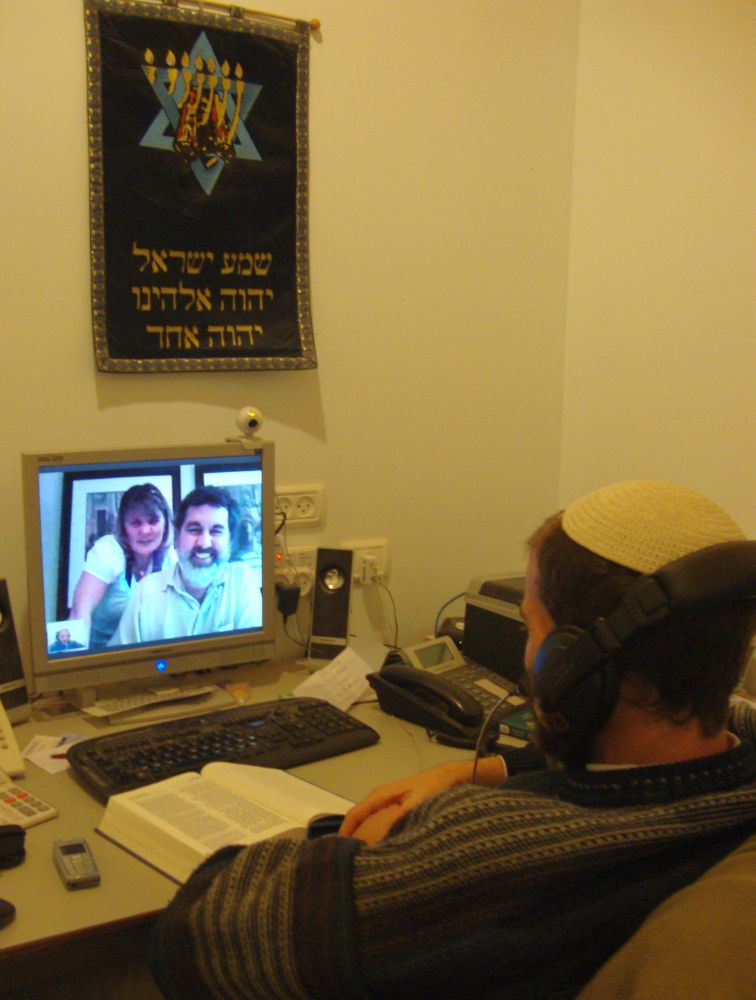
her in Israel based at the Tanach. Further we had many students through Skype/Voip and email from all over the world.
For information pls call Aryel Tsion
(+972)0523003117 or Rav Yishai Tsur
(+972) 0526070187 or send him an e-mail
(click
here)
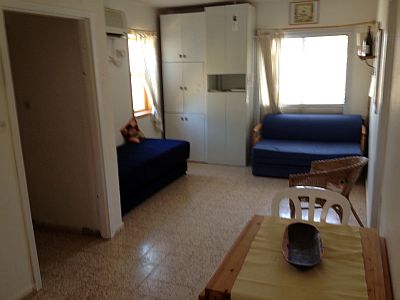
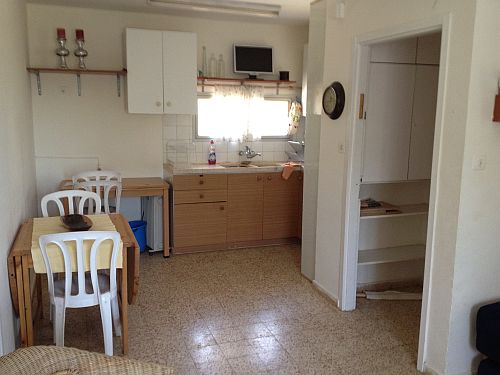
Accommodation is available in this
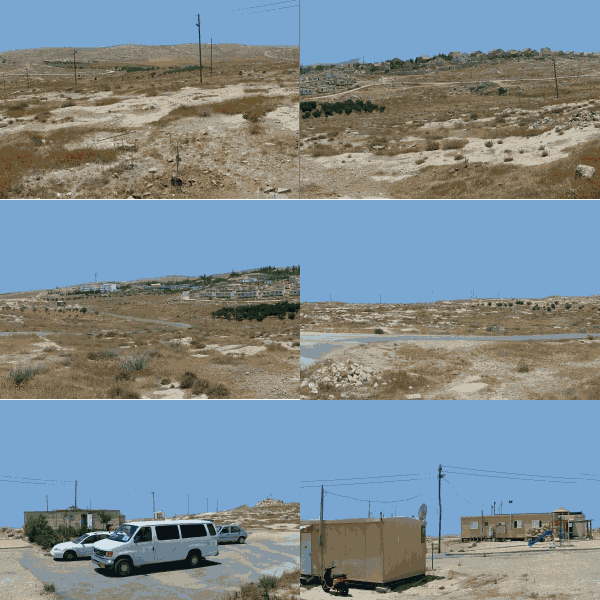
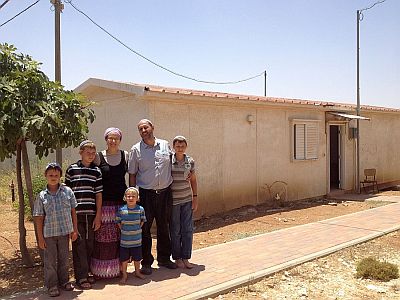
Orthodox-Jewish settlement of Susya in Har Hevron, close the the Negev desert.
Susya is a rebuild ancient city.. There are a lot of remnants from the
Talmudic period; a synagogue, a lot of mikwes for Kohaniem and/or Levites
(which is remarkable), and many caves which were used as homes. Probably
kohaniem (priests) and or Levites have lived here. Because of this it also
might have been a part of the Levite city Yutta. Further there are the
remnants of a fortress from the Maccabees. Susya is a good location for trips to the desert,
Hevron (where Machpela is
where Avraham, Itschak and Ya'akov are buried), Yatir Forest, Arad, Massada etc..
There is a swimming pool with separated hours for man and women and a
mini-supermarket.
Values for the Beit Midrash in Susya are: To live strong-religious
(in this open to what HaShem wants of us today and does in this time), Emuna (Faith and trust in our Mighty G'd, also
faith that everything is in His control and that He leads us everyday in His
plan for this time), Balance between study, work and family life, Non-materialistic, Rural
and ecological interests (love for the (physical)
land of Israel. Searching for further spiritual depths en insights to live and
act (also in personal prayer and meditation) more according to the will of
HaShem to live close to HaShem just like king David who also lived for a time in
this area before he became the king of Israel.
Throughout most of the year programs are available. Check in
time (advisable at least 8 weeks in advance) about availability for
accommodation if it is not booked already
(otherwise it might be full booked) !!!.
Forr Noachides, Messianics, Hebrew-Roots
Christian, Evangelical Christians, Non-denominationals and for those who want
to learn about the actual situatin base at the Tanach, we have a choice of subjects:
Ø The 'so called' Noachic Laws
Ø Noach, Tsaddik in his time
Ø A closer look at the Noachic Laws
Ø The concept to serve One God
Ø What is written in the Bible about the Messiah
Ø David, King of Israel
Ø The New Covenant
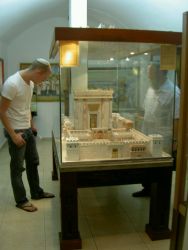
Ø The 3rd Tempel
Ø Differences between Christianity and Judaism.
Why Orthodox Jews have difficulty with the so called 'New Testament'
Ø Emuna and
Bitachon, faith and trust in the Jewish perspective
Ø Israel, land, chosen by HaShem
Ø Jerusalem, place chosen by HaShem
Ø Yehuda, land of the Jews, a political view
based at the Tanach.
Ø Land for peace? A honest analyze based at
historical facts of the recent history
Ø Lets try it at Gods way. The biblical concept
of peace.
For those who want to become Jewish the program
deals subjects as:
Ø What is written in the Bible about the Messiah
Ø Differences between Christianity and Judaism,
why do Jews have difficulty with the so called 'New Testament'
Ø The concept to serve One God
Ø The New Covenant
Ø In all thy ways acknowledge Him, the Mitswot
Ø Emunah and Bitachon; Faith and Trust in the Jewish perspective
Ø How does a religious Jewish life look like
Ø What is the Oral Thora and what is Halacha
Ø Zionism and the Mitswe of Making Aliyah
Ø The 3rd Tempel
Ø The Conversion Procedure
Ø Other subjects out of Tenach and Thora etc. etc..
For those interested in giyur we have a studyprogram according
to the guidelines of the
National Giyur Rabbinate
First taste
Jewish History
Bereshit
from Egypt to destruction of first Tempel
Babylon exile till Bar Kochba revolt
From Galut to Geula
Oral Thora
The Jewish books
Tradition and Halacha
Different traditions; Ashkenazim, Sefardim
Machloket in Halacha
Israel and the Nations
Chosen people
Attitude to goyim/gerim
the Holy Mitswot
Shma Israel as base of Emunah
the Needs of Mitswot by acting
the holiness of person, place and time
Modesty
Blessings
Introduction
Visitors in the world of HaShem ask for permission and say Thank you
Nothing is guaranteed/the capability of controlling your needs (eating,
fasting, kosher)
Spiritual meaning for physical acting (sexual life, eating, sleeping,
drinking)
Bless of enjoying
Netilat Yadaim
Blessing before and after meal/ Zimun
Blessings on food and smells
What comes first, corrections
Bless of mitswot
Right to be obliged to do the mitswot
Bless before action
Blessing of the Torah
Blessings of thanks
Ha Gomel
Shechianu
Asher Yatsar
Different blessings
Birkat HaBanim
Birkat Cohanim
Prayer
Introduction
How prayer influences and how it is useful
Contact with HaShem
Prayer as a trial, as a way to judge yourself
My prayer or the prayer of the Siddur?
Timing of prayer
Needs for time and definitions of times
Minyan
Period of the Prayer
Names of the prayers
Structure of prayer
Difference between Shabbath and Moadim and workdays
Reading the Torah
Needs and times
Blessing of the Torah and number of people
Special prayers
Prayer for the State of Israel
Kiddush Levana
Avinu Malkenu
Different books
Siddur
Chumash
Machzor
Slichot
Kinot
Different nusachs
Women prayer
Prayer of Hannah
Not obliged to do time binded mitswot
Tefillat Haderech
Needs and rules
Kaddish
Meaning, types and language
Emuna
13 principles of faith
Torah from HaShem, taking care of the world, prophecy
Messiach, miracles. Natural and super natural (e.g. Purim and Yetsiat
Mizraim)
10 commandments
Difference in positive and negative mitswot
Difference in mitswes between a person and God and between a person and
another
person
Mitswot
Loving your neighbor, Tsadakka, Chesed
Receiving guests, visiting the sick
Care for animals
Returning of lost property
Guarding your tongue
Man and his connection to
Good urge and bad urge
God
Principles you have to give your life for, Hollowing the Name of God,
Disgrace of the
Name of God
Return to God (teshuva)
Fear of God
Way of life
Hebrew calendar
Age of the world, the counting of the years
Beginnings, the meaning of the word Bereshit what stands for 'what for'
The Jewish influence on time; Kiddush HaChodesh, adding another month-"adar"
The year of the sun and the year of the moon
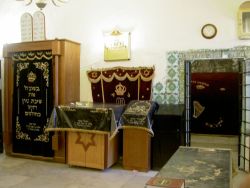
Beth Knesseth and holy Items
Holiness of Beit Knesseth
Behavior during prayer and attitude to the place itself
Structure in Beit Knesseth
Names and order of the items according to the different traditions
Tallit & Tsytsyt
Tchellet, meaning and central mitswe of tsytsyt
Tfillin
Meaning and way it is done and put & Halachot
Sefer Torah
Parts & Halachot
Messuza
The way you write it and where you put it
Font of Torah
The Holy name of HaShem on leather of cow
Shabbath
Introduction
Holiness of time
Spiritual day for the neshama of the family
Erev Shabbath
Preparation, lightning candles and times of Shabbath
Kaballat Shabbath
Different soul, Shalom Aleichem
Shabbath meals
Kiddush in the place you eat means spiritual and fysical needs combined
Two breads, three meals and Joy of Shabbath
Shabbath prayers
Reading the Torah and Haftarah
The people who come to bless, the reader, the who holds the Torah and the
one
who closes the Torah, the Gabai
Blessing at certain people and Prayer for the State of Israel
Forbidden activities on
Creation is forbidden, not hard work
Shabbath
39 priciples of forbidden activities, adding's from Oral Torah
Muktze; cooking, platta, hot water
Eruv
Motsé Shabbath
Havdallah,and adding to the Shabbath
Non-Jew and Shabbath
Non-Jew who want to keep Shabbath
Technology and Shabbath
Shabbath clock, Shabbath elevator etc.
Special Shabbats
Shabbath meverachin (before Rosh Chodesh), four parashiot, Shabbath
Teshuva,
Shabbath Bereshit, Shabbath Shira, Shabbath HaGadol etc.
Kashrut
Introduction
Holiness of food, capability of controlling your needs, the food for the
body has to fit
the needs of the soul
Meat
Eating meat limited legitimacy
Which animals we eat
Schita, the way we slaughter animals, the way we clean it from the blood,
what
is 'bashar chalack'
Meat & milk
Forbidden from the Torah, time we wait between meat & milk
Seperation of vessels, making vessels kosher
Forbidden culture influence
Wine, milk , bread and vessels
through food
Vegetables & fruits
Insects, orla, shvit, Challah, trumot & maaserot. New wheat/grain
Industrial adding's
Gelatine, fragrances, tastes, preservatives
Products of animals
Eggs, milk, honey
Supervision of kashrut
Teudat kashrut, marks on products
Kosher kitchen
Practical advise
Cyclus of life
Birth
Brit Mila (circumcision), meaning, timing, Eliyahu's Chair
Hebrew name
Pidyon HaBen
Idea and when we do it
Education
Mitswat Chinuch, Educational institutes
Bar/Bat Mitswe
Age, differences between boys and girls
Alyah LeTorah, Tfillin, Baruch Shepetarany
Teenager
Modesty regarding sexual tempts
Marriage
Sexual life; holy or sinful
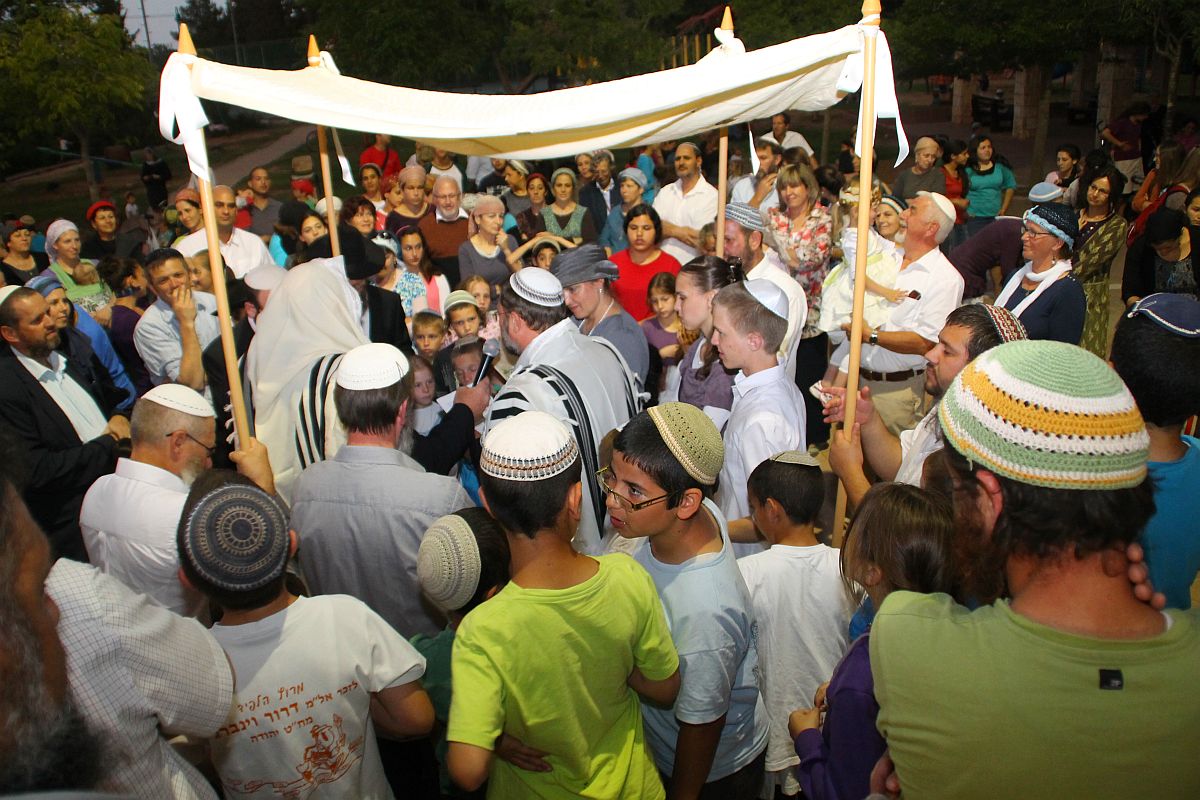
Engagement, Chuppa and Kiddushin, Ketubah, Kosher witness and 7 Brachot
Mikwe and purity
Modesty in covering the head
Mitswe Ona and Pru Urevu (having children)
Forbidden marriage, mamzer (bastard)
Divorce, Get
Death
Burial
Mourning, on who, time, customs
Kaddish, Shiva, Thirty, A year, Jahrzeit, Reminding the soul
Festivals
Teshuva
Life of teshuva, Slichot
Rosh HaShannah
Judgementday, Confession
Shofar
Remarks of the festival and other Halachot
Ten days of teshuva
Fast of Gedaliah, Shabbath Shuva
Yom Kippur
Halachot
Kol Nidre, Work of High Priest, Yom Kippur prayers
Jona, Neilah
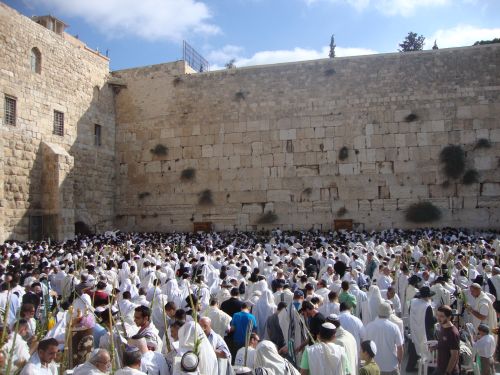
Sukkoth
Meaning and Halachot of Sukkah
Meaning and Halachot of Arba HaMiniem
Chol HaMoed
Meaning and Halachot
HoShannah Rabbah
Meaning and tradition
Simcha Torah
Meaning and tradition
Prayer for Rain
Declaration and begging for rain
Chanukkah
History, The Maccabean fight
Halachot and traditions
Actuality of Chanukkah story
Tu BiShvat
Meaning and tradition
Purim
Meaning and tradition
Megillah story
Pesach
Forbidden of the Chametz, meaning and halachot
Kashrut of the kitchen
Seder
Chol HaMoed and last day of Pesach
Sfirat Ha'Omer
Meaning of counting, Halachot, mourning during Omer
Yom HaShoah
Memorial day of Shoah, Stories, Facts and Faith during Shoah
Memorial Day
The price we pay for Independence
Yom Ha'Atsmaut
Independence Day. Spiritual meaning of the State of Israel
Lag Be'Omer
Bar Kochba Revolt, Rabbi Shimon Bar Yochai
Yom Yerushalaim
History till today
Yerushalaim as the center of the world
Shavuot
Meaning, Halachot and tradition
Fastdays
10th of Tevet, 17th of Tamuz, 9th of Av, Gedaliah, Esther
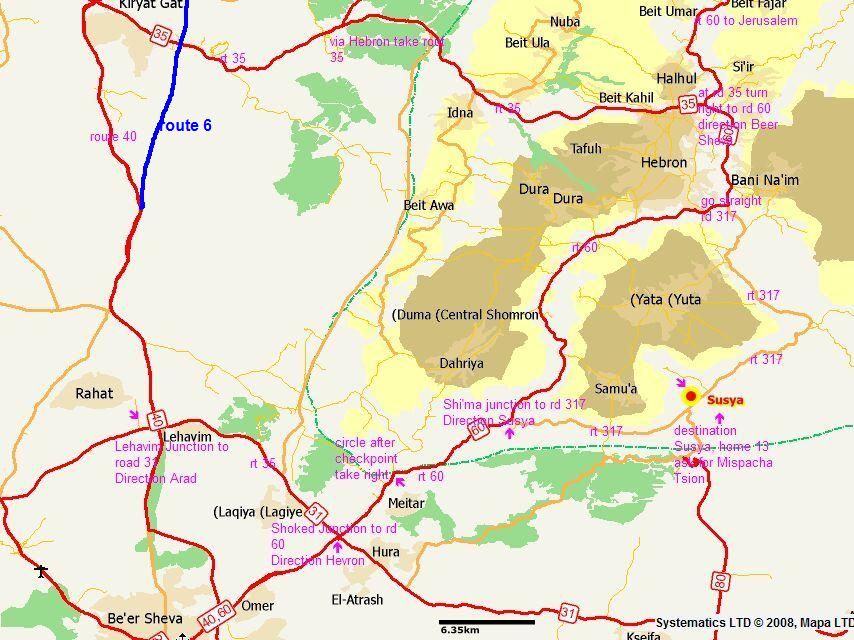
Susya is located, by car, one hour south of
Jerusalem and half an hour north of Be'er Sheva (and an hour and a quarter
drive from Ben Gurion Airport).
No fear
for new ways !!!
We are
happy that nowadays in Zionistic Religious Israeli society we have a
spiritual movement, an awakening.
Yaakov
Avinu heard from his grandfather Avraham that his sons would be in the
galut and after they will suffer there they will come back with great
wealth
After
he spend 21 years at Lavans house where he had to deal with cheating and
abusing he came back as a rich man with a lot of kids and then he
thought that the promise to Avraham was fulfilled and now is the time is
there to relax and to deal with the family.
The
Misrash tell s that exactly at that time 'the anger of Joseph and the
tribes was jumping on him' explaining the word VeJeshev (when he wanted
to sit). From this we learn that great people never have time to sit.


They have an aim to fulfill and they never know how it is going to be
but they can be sure that HaShem leads the reality throughout the
difficulties.
When
there was the spiritual awake ness in Judaism last century about the
National Zionist movement there were many reasons why the religious
leaders didn't join. The main reason for not joining was that the
Zionist movement was lead by non-religious Jews and there is a famous
saying of one of the big Jewish leaders in that time: 'New things are
forbidden according to the Torah'. We were happy that HaShem sent a
great soul to the world, Rav Kook, who could show a different way how to
work HaShem with the same passion as the existing religious life
combined with the National Zionist spirit.
After
the expulsion of Gush Katif every community and every house (who wanted
to sit and rest) found it selves in a situation of searching for another
way. It is quit clear that people today look for their individual soul.
In the secular world it is called the New Age generation and in the
religious world it is called Chassidud. In our religious Zionist world
we believe that the way of what Rav Kook thought us, which is to combine
a new movement in the existing religious life, is the right way to coop
with it. With a great believe that this is the way how HaShem appears to
the world (throughout a crisis) we will not fall in the same fault to
say that New is forbidden according to the Torah. We pray that will be
able to be open to the change in which HaShem leads us to a place where
every person will feel the existence of HaShem in his life.
I really had a great time studying at the
Beth Midrash in Susya. I also enjoyed it very much to study ”Right on the
spot” at the Kever of King David, Yerushalayim, Hevron Machpela, Ancient
Susya and in the wonderful area. Very interesting were the lessons with
Ary’el, Rav Ishai and Rav Merzbach and fellow ‘Sussyans’. I learned a lot
about Jewish life. For me it was a great experience and a wonderful time
of study. I’m looking forward to the next times in Susya !!!
John, 20 years
The Netherlands
---
I learned a lot during my stay in Susya, studying Judaism at the
historical places. I learned how to read the Thora and Tenach. It was
different than I was used to read it. About my expectations of the study:
Actually I didn’t know what to expect. The whole period here was a big
lesson, I learned a lot during the lessons but also through what I saw in
the Jewish daily life her in Susya, from the people in the synagogue, from
the people I got a lift, from the lessons the fathers gave to their
children during the meals, from the mothers who were walking with their
children, from the people on the street. Wonderful.
Vanessa v B.
Belgium
---
I participated in the
program because because I wanted to experience life in a Jewish community
in Yesha. Soon I will hopefuly finish my giyur (conversion to Judaism);
however at the moment I am not officialy Jewish yet. Being in this
position I did not know what to expect of the program. After the
experience I can say, if you are a Jew searching for your roots or a ger
tsedek (convert) you will be surprised in a positive way. The community of
Susya is warm and very welcoming. Not only will you learn a lot in terms
of Torah and Judaism but you will also get a taste of Judaism how it is
meant to be, in the hilltops of Judea. You will visit chupot (Jewish
weddings), visit the graves of tsadikim and much more. Also you can rest
assured that you will not spend one Shabbat alone. The people of Susya
will invite to their homes and will want to hear more about your
connection to Judaism and Israel. If you are motivated the local rabbi's
will be more than happy to teach you Torah, Mishna and Gemara. In short a
unique opportunity that you don't want to miss.
Chaim v S
The Netherlands
---
My name is Hagar C. and I come from Holland. I have the wish to become Jewish.
This I knew already a long time but we were considering taking steps in
this direction beginning 2009. I heard a story about a man from Holland
who was a Christian before but now had become a Jew and living in Israel.
His name was Ary’el Tsion. I phoned him and told my story. Then my family
and I decided
to study at Beth Midrash Susya. We studied for a week in Susya. We stayed at their
accommodation and were received very friendly and enjoyed their
hospitality. We studied at different locations such as the Machpela,
Jerusalem and ancient Susya. All kinds of topics we were able to look into
and found a lot of answers to questions we had. Aryel was able to reveal
to us many things about the messiah, Oral Tora, Prophets, and Halacha. We
also met many inhabitants of the village and even had a nice interview
with the main rabbi. Also I went to the synagoge and the visit to Susya was in
fact a confirmation for me that I am on the right path.
יעקב אבינו היה משוכנע ששנות הגלות אצל לבן, היה בהם די כדי לקיים את דברי
ה' לאברהם-"גר יהיה זרעך בארץ לא להם". ואחרי שהוא יצא ברכוש גדול, והיה
בעל משפחה גדולה לא נותר לו אלא ליצור חיי תרבות ומשפחה,תחת גפנו ותאנתו.
אלא
שלולא היה "קופץ עליו רוגזו של יוסף" המציאות הייתה נעצרת.
ומאז למדנו שלצדיקים אין מנוחה, יש להם משימה גדולה למלא שאפילו הם לא
מודעים לגודלה ולדרך שבה היא תצא אל הפועל.
בתקופה האחרונה, לאחר שקפץ עלינו "רוגזו של שרון", אנחנו עדים לתסיסה
רוחנית בתוך המחנה הדתי לאומי.
כל
יישוב או בית פרטי המבקש לישב בשלווה מתמודד עם סוגיות שונות . אמיתות שפעם
היו ברורות נפתחות לדיון מחודש.
כשהרוחות תססו סביב הרעיון הלאומי במאה שעברה והצעירים נמשכו אל התנועה
הציונית ולהשכלה, היו סיבות מספיק טובות מדוע לא לשתף פעולה עם הרוח הזו.
זכינו שה' שלח לנו נשמה ענקית –הרב קוק, שהאירה את עיננו וסללה לנו דרך
רוחנית חדשה שבה לא די שלא נאלצנו לוותר על התורה אלא להיפך ראינו ברוח
החדשה, את קיומה של התורה בצורה שלמה יותר.
היום אי אפשר להתעלם עוד מהרוח החדשה הנושבת בעולם. העולם הכללי קורא לזה –new
age" " והעולם היהודי קורא לזה "חסידות".
אם
הרוח הלאומית איימה בעבר על היהדות המסורתית , היום החיפוש העצמי, והצורך
להרגיש ולחוות את העולם הפרטי מאיימת על עולמנו.
האם
נשכיל לצעוד בדרכו של הרב קוק ונוציא יקר מזולל,מתוך הבנה שמה שדוחף את
הרוח הזו היא רוחו של משיח המחוללת את כל התנועות הרוחניות בעולם כדי
להוציא מהכוח אל הפועל את צלם אלוקים שבאדם בצורה מלאה.
או
שנאטום את אוזנינו, נעצום את עיננו ונשתמש בביטוי של החת"ם סופר-"חדש אסור
מן התורה", ונחזור לשפה המוכרת והבטוחה, שאצל חלק מהנוער הפכה לשפת
הסיסמאות של בני עקיבא.
לעניות דעתי, אי אפשר לכלוא את הרוח,והרוח הזו כבר נושבת בעוצמה רבה, אין
וואקום, במקום שלא נצליח לייצר שמחה והתלהבות בעבודת השם , חוויות רוחניות
הנוגעות בנימים העדינים של הנפש, הרוח תפנה למקומות אחרים ששם הדברים כבר
קיימים בצורה כזו או אחרת.
חלק
מהבנים יפנו אל העולם החילוני שם יגלו את ה"אור" של המימוש העצמי המנותק
מאור ה' אבל נוגע בעולמו הרגשי של האדם.
וחלק מהבנים יפנו אל העולם החסידי, ברסלב או חב"ד שמסיבות שונות הם מהוות
היום כוח מושך.
אני
מתפלל שנדע ליצור בקרבנו כלים שיכילו את הרוח הזו בעולמנו הדתי
לאומי,ובמקום לעסוק בהתבצרות ובמגננה ,נשכיל להיפתח לדברים נוספים,נוכיח
לעצמנו שאנחנו לא מפחדים משינוי אלא להיפך אנחנו רואים בשינוי פתח להתקדמות
וצמיחה לנו ולעולם כולו.